Swahili Books for Toddlers
Soft, sturdy, and short — the bilingual board books and picture books that introduce Swahili to babies and toddlers ages 0–3.
Reviewed by Native Swahili speakers from Tanzania
Reviewed by our Tanzania-based editorial team · Updated April 17, 2026
What are the best Swahili books for toddlers?
The best Swahili books for toddlers ages 0–3 are Kuku Kumi (a Swahili counting rhyme), Simama, Kaa (an action-words board book), and Love Is Kind (a tender bilingual picture book set in the Serengeti). Each one features short, repeating bilingual text, bright illustrations, and the kind of rhythmic language that toddler brains love to hear over and over.
The youngest readers don't need long stories — they need repetition, rhythm, and rich pictures. Bilingual board books work because they let parents read once in English, once in Swahili, doubling the exposure in a single sitting.
Our top picks for ages 0–3
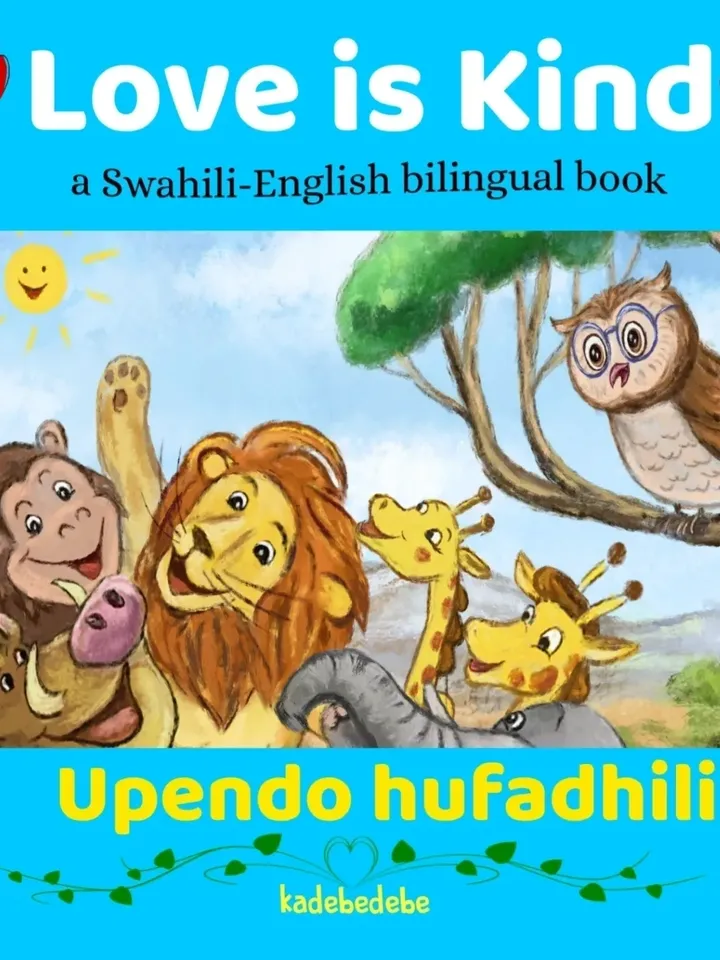
Ages 3–8
Love Is Kind (Upendo Hufadhili)
A heartwarming bilingual picture book set in Tanzania's Serengeti. Follow Bundi, a timid owl, as she learns kindness takes courage.
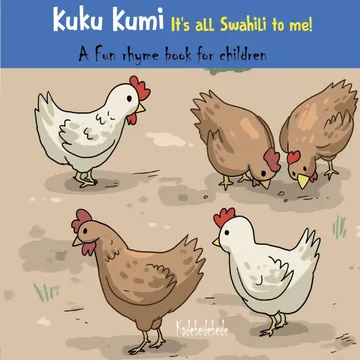
Ages 2–6
Kuku Kumi (Ten Chickens)
A delightful Swahili counting rhyme for young children. Count ten colourful chickens in this playful bilingual picture book.
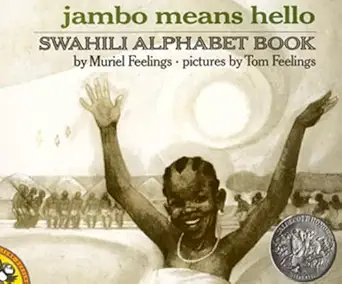
Ages 4–8
Jambo Means Hello
Introduces children to the Swahili alphabet through stunning illustrations by Tom Feelings and engaging pronunciation keys.
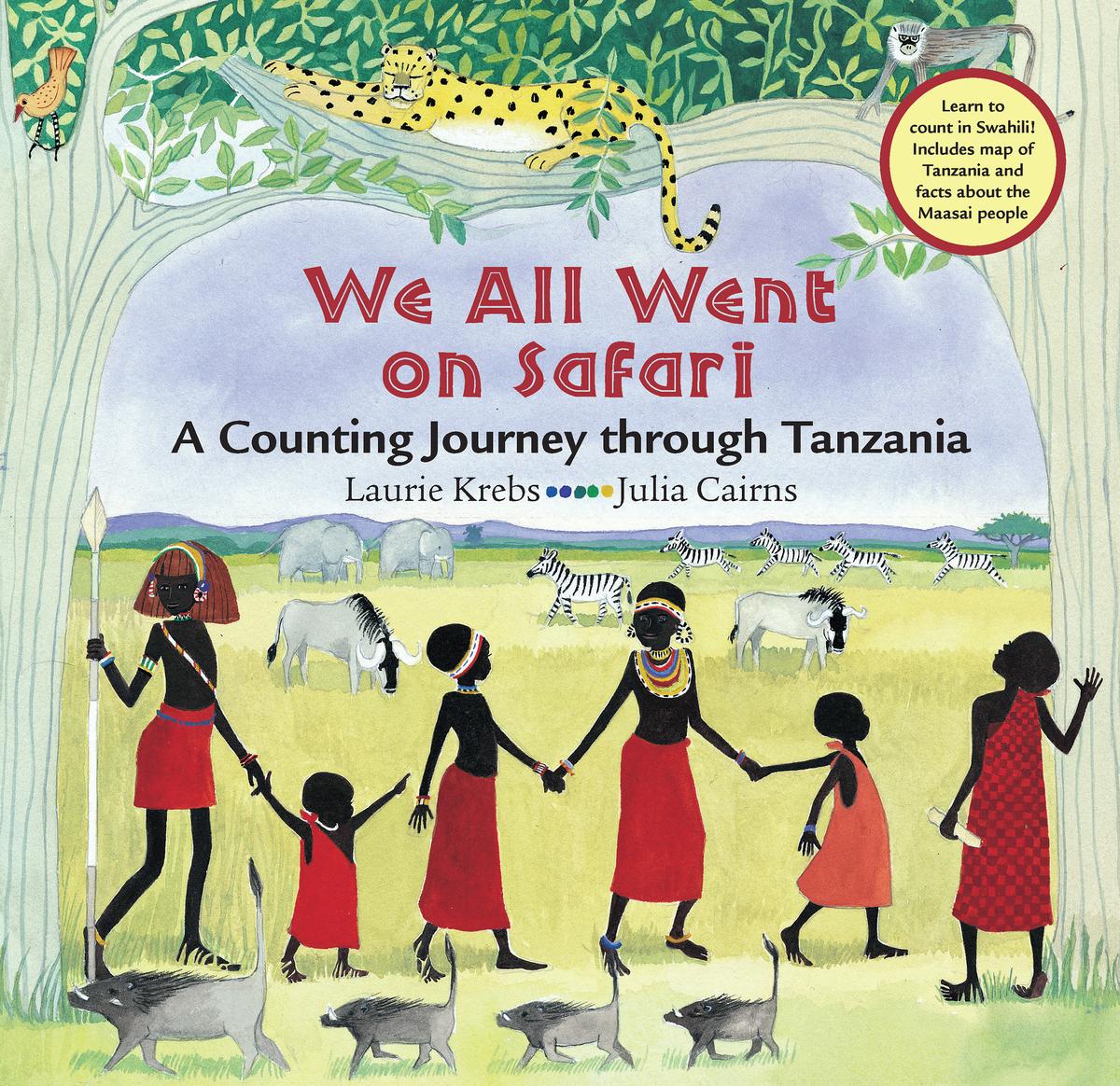
Ages 4–10
We All Went on Safari
A counting journey through Tanzania's grasslands with Maasai friends, meeting elephants, lions, and more while counting in English and Swahili.
Ages 2–6
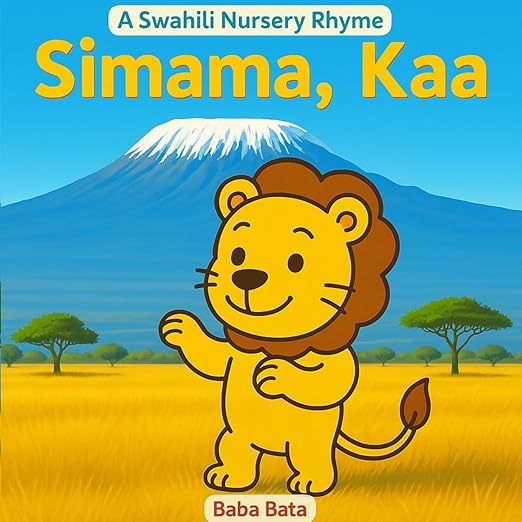
Simama, Kaa (Stand Up, Sit Down)
An interactive book combining movement, music, and multicultural learning inspired by the spirit of Kilimanjaro.
Why early bilingual exposure matters
Children under three are in the prime window for absorbing multiple languages. Even 5 minutes of bilingual reading per day builds the phonological foundation they need to speak Swahili later — and boosts overall language development.
Studies from the University of Washington and Harvard show bilingual babies have stronger executive function (focus, problem-solving) and a larger combined vocabulary than monolingual peers by age 5. Read more in our bilingual benefits guide.
Quick answers
Can babies and toddlers really learn Swahili?
Yes. Children under three are in the prime window for absorbing multiple languages naturally. Even 5 minutes of bilingual reading per day exposes them to the phonemes (sound units) of Swahili, building a foundation they can grow on later. They don't need to speak it back — listening is learning.
What age should I start reading Swahili books to my child?
Start at birth. Newborns recognise the rhythm of language while still in the womb. Bilingual board books are ideal from 6 months onward, when babies start grabbing pages. By age 2, toddlers can repeat Swahili words like 'mama', 'paka' (cat), and 'simba' (lion).
Will Swahili confuse my toddler's English?
No — decades of research from Harvard, the University of Washington, and Cambridge show that bilingual exposure does not delay or confuse language development. Toddlers easily separate two languages and often have stronger overall vocabulary by age 5.